


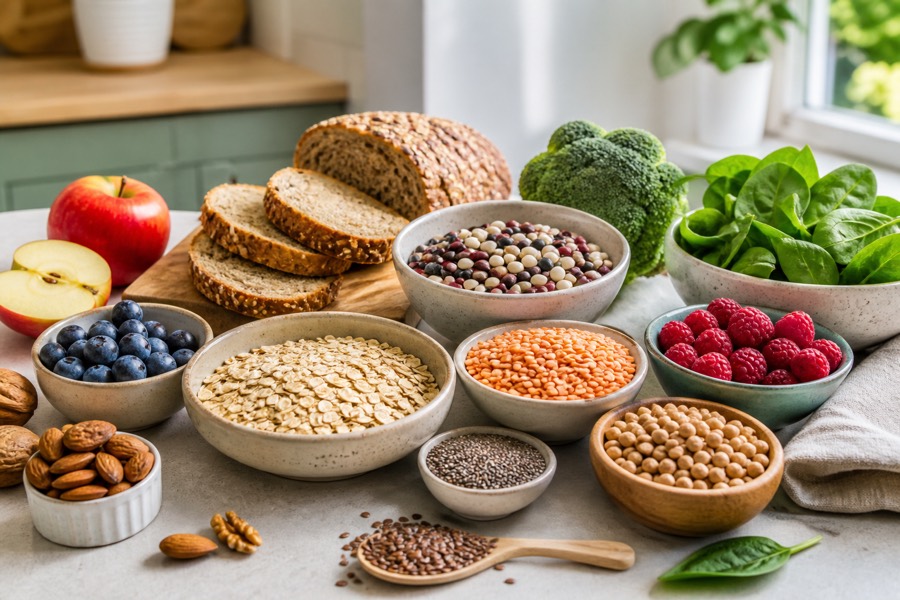
Fiber is one of the parts of plant foods that the body cannot fully digest, yet it still plays a very important role in keeping the body healthy. It is found in foods such as fruit, vegetables, oats, beans, lentils, nuts, seeds and whole grains.
Many people think about fiber only when they are trying to improve digestion. While that is one of its best known benefits, fiber can also support steadier energy, better fullness after meals and a more balanced way of eating throughout the day.
Fiber Helps With Digestion
One of the most common reasons people add more fiber to their diet is to support healthy digestion. Fiber helps add bulk to stool and can make bowel movements more regular. This is why foods such as oats, beans, fruits and vegetables are often recommended as part of a balanced diet.
It is best to increase fiber slowly. Adding too much at once may lead to bloating or discomfort, especially if your body is not used to it. Drinking enough water can also help fiber do its job properly.
Fiber Can Help You Feel Full
High-fiber foods often take longer to chew and digest. Because of this, they can help you feel satisfied after eating. This may make it easier to avoid snacking too often between meals.
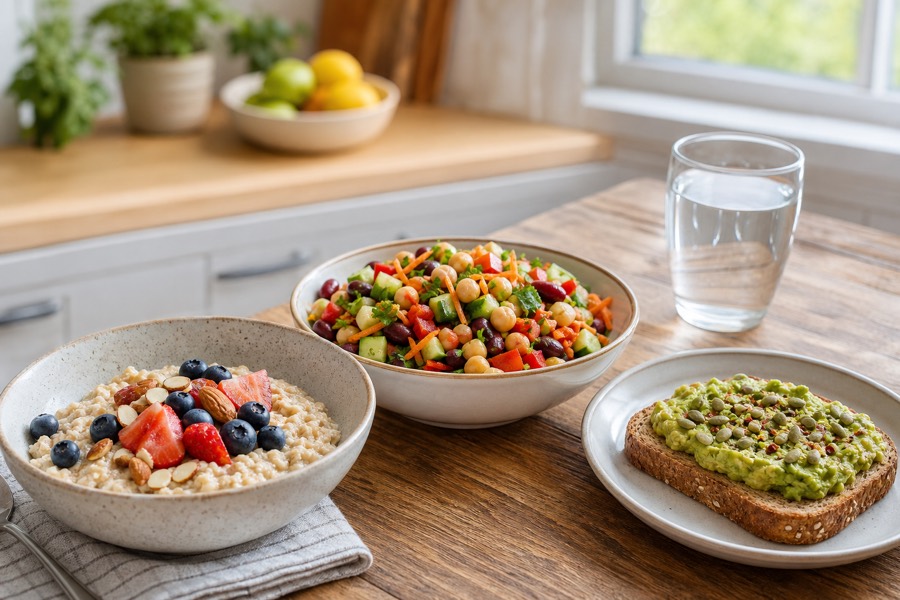
Simple meals can become more filling with small changes. You can add berries and nuts to porridge, include beans in a salad, choose whole grain bread instead of white bread or eat a piece of fruit with the skin when possible.
Fiber Supports Heart Health
A diet that includes enough fiber may also support heart health. Some types of fiber can help the body manage cholesterol levels as part of an overall healthy eating pattern. Foods such as oats, beans, lentils, apples and vegetables are good choices to include regularly.
This does not mean fiber works alone. It is still important to eat a variety of nutritious foods, stay active, limit highly processed foods and follow advice from a health professional if you have a medical condition.
Easy Ways To Eat More Fiber
Getting more fiber does not have to be complicated. Start with everyday foods that are easy to find and easy to prepare.
- Choose oats or whole grain cereal for breakfast.
- Add beans or lentils to soups, stews and salads.
- Eat more vegetables with lunch and dinner.
- Snack on fruit, nuts or seeds instead of sugary snacks.
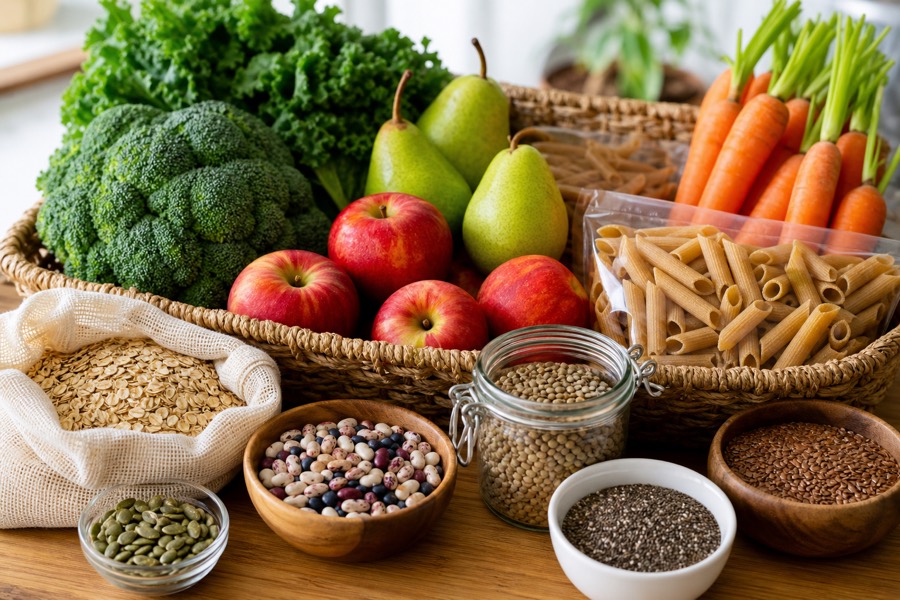
- Choose whole grain bread, brown rice or whole grain pasta when possible.
Final Thoughts
Fiber is a simple but powerful part of a healthy diet. By eating more plant foods such as fruits, vegetables, beans, lentils, oats and whole grains, you can support digestion, help yourself feel fuller and make your meals more nutritious.
If you are not used to eating much fiber, begin slowly and drink enough water. Small changes each day can make it easier to build a healthy habit that lasts.
